Lenny Vays
September 20, 2024


If you’ve ever searched for the best foot massage after a long day commuting from Queens to Manhattan or standing on your feet for hours in a Brooklyn kitchen, you already know the relief that a professional foot massage can deliver. But how often should you actually book one? At World Spa, we work with guests from across New York City – Queens, Long Island City, Astoria, Manhattan, Brooklyn, and beyond, and one of the most common questions we hear is exactly that.
The answer depends on your lifestyle, health goals, and physical demands. In this guide, we break down everything you need to know: the science behind a foot massage, the benefits of foot massage for everyday New Yorkers, the most effective foot massage techniques, and how to build a routine that genuinely works for your body. Whether you’re looking for a one-time treat or a long-term wellness ritual, we’re here to help you get the most out of every session.
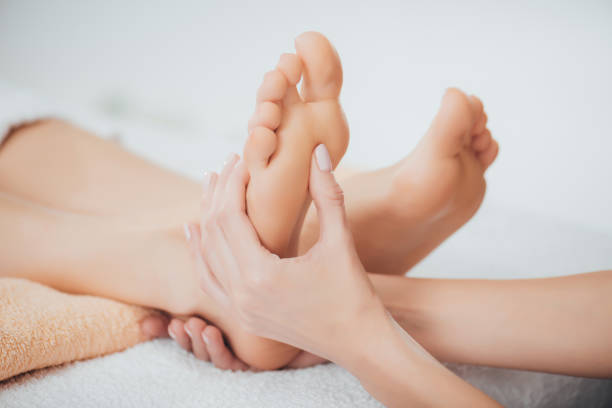
A foot massage is a targeted therapeutic practice that applies manual pressure, kneading, and manipulation to the muscles, tendons, ligaments, and connective tissues of the feet. It goes far beyond simple relaxation. Through deliberate pressure and motion, a skilled therapist stimulates blood flow, reduces muscular tension, and activates nerve endings that connect to other systems throughout the body.
Reflexology is one of the most widely practiced foot massage techniques, and it is based on the principle that specific zones on the foot correspond to organs and systems elsewhere in the body. Swedish-style foot massage focuses on long, flowing strokes to ease tension and improve circulation. Deep tissue work targets chronic tightness in the plantar fascia and heel. Whatever foot massage techniques your therapist uses, the underlying mechanism is the same: improved circulation, reduced inflammation, and a calmer nervous system.
At our foot massage spa in Brooklyn, we tailor each session to the individual. No two feet and no two lifestyles are exactly alike.
The right frequency depends on why you’re seeking treatment, how your body responds, and what goals you want to support. Below is a practical breakdown of common NYC lifestyles.
As a general guideline, most people benefit from a professional foot massage once every two to four weeks for maintenance. Those managing chronic pain, recovering from athletic training, or working in high-stress occupations may benefit from weekly sessions. If you’re new to foot massage, starting with a session every two weeks allows your body to adapt and lets you gauge how long the relief lasts.
One simple method: pay attention to when the tension returns. If soreness or fatigue creeps back within five days, weekly visits may serve you better. If relief holds for three weeks, twice per month
is likely ideal. Our team at World Spa is always happy to consult with you before or after a session to help you find your rhythm.
| Lifestyle / Profile | Recommended Frequency | Primary Goal |
| Office worker / desk job (sitting 6+ hrs) | Every 2–3 weeks | Circulation, tension relief |
| Commuter (walking, subway, standing) | Every 1–2 weeks | Fatigue recovery, ache reduction |
| Hospitality / service industry worker | Weekly or bi-weekly | Pain management, muscle repair |
| Athlete / runner / cyclist | Weekly during training | Recovery, injury prevention |
| Healthcare worker (on feet all day) | Weekly | Inflammation, fatigue, foot pain |
| Stress & wellness maintenance | Every 2–4 weeks | Relaxation, stress reduction |
| Chronic foot pain or plantar fasciitis | Weekly (consult provider) | Therapeutic relief |
The benefits of foot massage extend well beyond a pleasant experience. Research and clinical practice consistently show that regular foot massage has measurable effects on the body and mind. Here’s what our guests at World Spa report and what the evidence supports.
Improved circulation is one of the most immediate benefits of foot massage. The feet sit at the furthest point from the heart, making them vulnerable to poor blood flow, especially after prolonged sitting or standing. Targeted massage encourages venous return and can reduce swelling in the feet and ankles.
Stress and anxiety reduction is another core benefit. The feet contain over 7,000 nerve endings, and stimulating them has a demonstrable calming effect on the central nervous system. Many guests describe the benefits of foot massage as similar to a full-body reset; tension melts away not just from the feet but from the neck, shoulders, and jaw as well.
Documented benefits of foot massage include improved sleep quality, reduced headaches through reflexology pressure points, relief from plantar fasciitis and heel pain, better posture and balance, and support for post-exercise recovery.
Understanding the most common foot massage techniques helps you communicate what you need and get the most from your session. Our licensed therapists at World Spa are trained in multiple modalities and will select foot massage techniques based on your specific needs.
Whatever combination of foot massage techniques your session involves, our goal is always the same: meaningful, lasting relief.
When you search for the best foot massage near me in New York City, you’ll find dozens of options. What sets a professional foot massage spa apart from a quick walk-in setup is the combination of qualified therapists, hygienic treatment environments, and a genuine understanding of therapeutic outcomes.
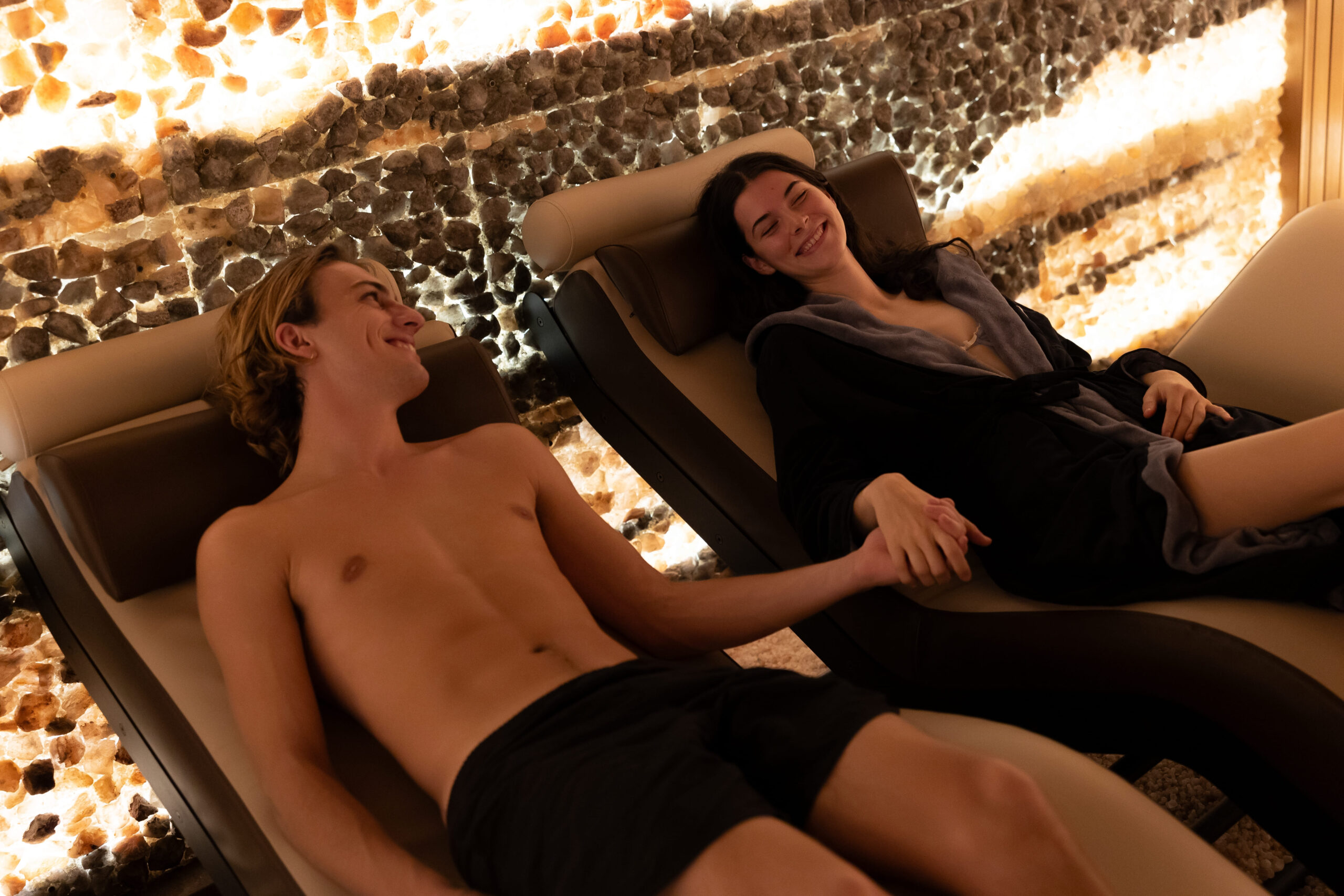
At World Spa, our treatments take place within a world-class wellness facility in Brooklyn that serves guests from across all five boroughs and beyond. Our therapists are trained in multiple foot massage techniques and take time to understand your specific concerns before each session. Beyond the treatment room, you have access to our extensive hydrotherapy and thermal facilities – saunas, banya rooms, onsen pools, and more, which can meaningfully enhance the results of your foot massage by priming muscles and promoting deeper relaxation.
Before your session begins, your therapist will ask about any areas of concern, chronic pain, recent injuries, or health conditions. This intake process ensures your session is safe, targeted, and appropriate for your needs. You’ll be guided to a comfortable treatment space, and your feet will typically be cleansed before work begins.
Depending on the foot massage techniques selected, your session may include a warm foot soak, the application of massage oil or cream, and a combination of pressure, kneading, and stretching. Sessions at World Spa typically range from 25 to 75 minutes, depending on the treatment you choose. Many guests take advantage of our complimentary spa access before or after their treatment to extend the relaxation and allow their body to fully absorb the benefits.
After your session, you may feel an immediate sense of lightness and calm. It’s normal to feel slightly drowsy, which is a sign your nervous system has downregulated. We recommend drinking water, avoiding strenuous activity immediately afterward, and allowing your body time to integrate the treatment.
Foot massage is safe for most adults. It’s especially helpful for muscle fatigue, stress, poor circulation in the lower legs, mild plantar fasciitis, and general recovery. Athletes, people who stand for long hours, and anyone using massage as part of a wellness routine are good candidates.
If you have diabetes or neuropathy, massage should be gentle and, ideally, approved by your doctor. When unsure, consult a physician before booking.
World Spa offers a range of massage therapies and spa treatments at our Brooklyn location. Because our offerings and pricing are updated regularly, we encourage you to visit worldspa.com/spa-treatments for the most current session options and rates. Below is a summary of our verified membership options, which offer the best long-term value for regular visitors.
| Membership Plan | Price | Key Benefits |
| 3-Month Membership | $1,700 | Unlimited spa access, Members-only check-in, Birch & Oak Private Club access |
| 6-Month Membership | $3,000 | All 3-month benefits, 10% off treatments & retail |
| 12-Month Membership | $5,000 | All benefits + Welcome Kit (robe, slippers, hat, tote bag) |
A World Spa membership gives you unlimited year-round access to the full facility, making regular foot massages part of a consistent wellness routine. Members receive unlimited hours per visit, 10% off retail products, and access to the exclusive Birch & Oak Private Club on the top floor.
For those who want to combine foot massage with saunas, pools, and hydrotherapy, membership offers the most practical option.
Walk-ins are welcome based on availability, and we encourage guests from Queens, Astoria, Long Island City, Manhattan, and across Brooklyn to stop by whenever the need arises. For guaranteed availability and preferred session times, advance booking through worldspa.com is recommended.
How long does a foot massage session take?
Sessions typically range from 25 to 75 minutes depending on the treatment selected. Some full-body treatments include dedicated foot work as part of a longer session. Booking in advance lets you choose the duration that fits your schedule.
Is foot massage safe during pregnancy?
Certain foot massage techniques and reflexology points are contraindicated during the first trimester. After the first trimester, gentle foot massage can be beneficial for swelling and discomfort, but always consult your OB-GYN first and inform your therapist of your pregnancy before the session begins.
Can foot massage help with plantar fasciitis?
Yes. Therapeutic deep tissue foot massage and targeted stretching can reduce tightness in the plantar fascia, ease heel pain, and improve range of motion. Consistent sessions – combined with appropriate footwear and stretching—often produce meaningful long-term improvement. Always discuss the severity of your condition with your therapist.
The benefits of foot massage are real, they’re cumulative, and they’re accessible. The right frequency is the one that fits your life. Our team is here to help you determine that frequency, guide you through the right foot massage techniques for your needs, and create a space where every visit feels worth every minute of the commute.
Visit worldspa.com to book your session, explore our full menu of massage therapies, or learn more about membership options. Walk-ins are always welcome—but a little planning goes a long way when you’re ready to prioritize yourself.